The Problem
The issue of traffic congestion on and around Highway 97 has become an everyday
challenge for many commuters and residents in the Okanagan. 85% of Okanagan residents are
reliant on personal vehicles for their travel needs ,causing traffic to become an even bigger
challenge as the Okanagan grows and more people come to live, work, and visit in Kelowna and
other municipalities. Significant population growth has also made congestion much worse like
on the Bennet bridge connecting Kelowna and West Kelowna which see bad traffic daily during
rush hours when people are travelling to and from work. However,widening Highway 97 would
be highly expensive and impractical at an estimated cost of $26 million per kilometer, and
would likely have minimal impact on actual traffic or travel times as demonstrated by the
principle of induced demand on other major roadways. It is critical to build transportation
infrastructure which functions as a long term sustainable solution to people’s needs, and not as a
short term fix. Gord believes the solution to the issue at hand is through electric passenger rail.
The Solution
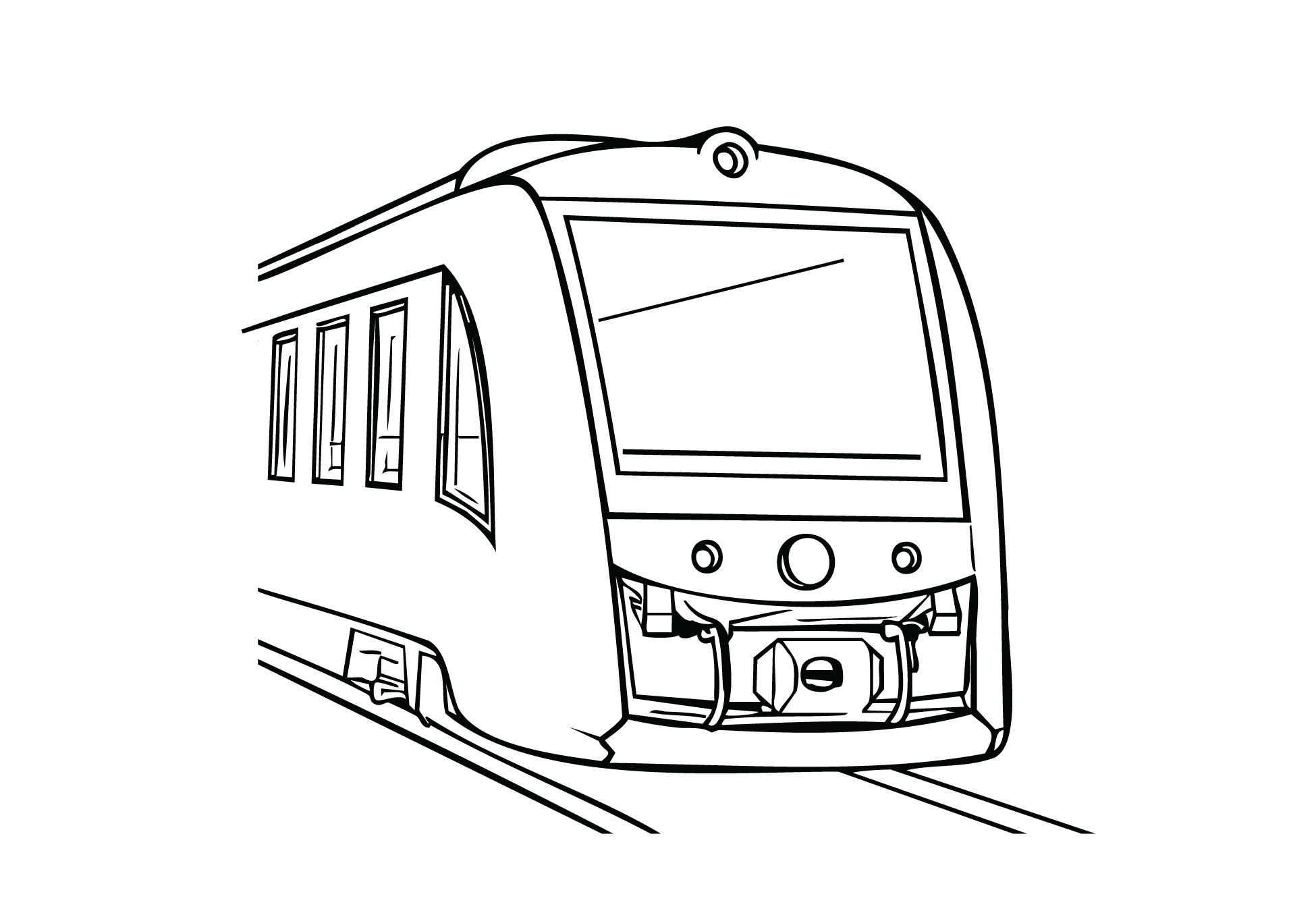
Okanagan Valley Electric Regional Passenger Rail (OVER PR) can be effective because it
will connect communities along a route that people are already travelling more and more. Gord
has spent years working with engineers at UBC demonstrating the use case for hydrogen rail
(hydrail) in the Okanagan valley. Through their research they found that a passenger tram-train
powered by a hydrogen fuel cell/battery hybrid rail drive train system would be capable of
running along a route similar to highway 97. The costs of construction and operation over a 30
year period are estimated at $5 Billion, with an expected net benefit of $40 Billion over the same
time span including direct benefits from salvage and area development, and indirect and
external benefits through fares, carbon tax savings, tourism, ect. This technology is already
being used to power passenger trains in Germany and translates well to the mountainous terrain
in BC thanks to its light weight design compared to traditional electric battery trains. The rail
line would; greatly reduce highway accidents caused by poor conditions and human error,
substantially reduce the environmental impact of travel between communities in the Okanagan,
and be a much more cost effective solution to reducing congestion than expanding the existing
highway.
Benefits
OVER PR would also be a great benefit to the Okanagan's growing tourism sector, which
generated $1.4 Billion dollars of economic activity in 2018. It would give residents and tourists
access to sustainable and convenient transportation across the Okanagan encouraging people to
experience all the region has to offer. Better transit gives people better working opportunities by
expanding the pool of jobs available to them, while also connecting people with businesses and
essential services. A more effective and efficient form of transit within the Okanagan means less
drivers on the road creating less traffic and better conditions for those who choose to or need to
drive. OVER PR would have an expected traffic reduction of 30% on Highway 97 as these
journeys would be taken by rail instead of by car. With more accessible forms of transportation,
our communities in the Okanagan become closer and more resilient. OVER PR has the
opportunity to make our lives easier, more affordable, and happier. By working with different
levels of government, planners, engineers, Indigenous community members, and the public,
Gord believes the implementation of the OVER PR project is more than possible. This
generation and future generations deserve a more accessible and prosperous Okanagan.